Digital Checklists: Fewer Errors, Greater Control
A checklist isn't bureaucracy if completed on-site during tasks – with photos and timestamps.
Paper lists get lost, while digital ones show which points were missed and by whom. No need for follow-up calls, searching through drawers, or taking someone's word that "everything was done." You can see the point, the employee, and the time.
Cleaning, opening-closing, machine start-up, or security rounds: a checklist is useful when photos and comments can be added. A tick alone is insufficient. The photo serves as evidence, and the comment explains if something was amiss.
Why Paper Fails
The list stays in the car, gets soaked, or by evening, no one remembers who signed it. The manager asks the next day, and the employee responds from memory. If there's a dispute with a client, it's hard to defend without paper.
The digital list is tied to the task. It's filled on-site, the system timestamps it, and it can be retrieved later. It's not extra admin but a trace of the work.
When to Use a Checklist
Not every task requires one. It's worthwhile where order matters or where proof of work completion is needed later.
- Cleaning: which room, in what condition, with photos
- Opening-closing: alarm, lighting, doors, cash register
- Machine start-up: safety points before the shift begins
- Security rounds: checkpoints, deficiencies, immediate alerts
If the list is too long, no one will fill it out. Keep only as many points as needed for quality. The rest is just noise.
How It Looks in Practice
The employee sees the list on their phone, goes through each point, takes photos if necessary, writes comments, and it's done. No need to input it into a computer later. The manager sees the same: what's done, what's missing, where there was an issue.
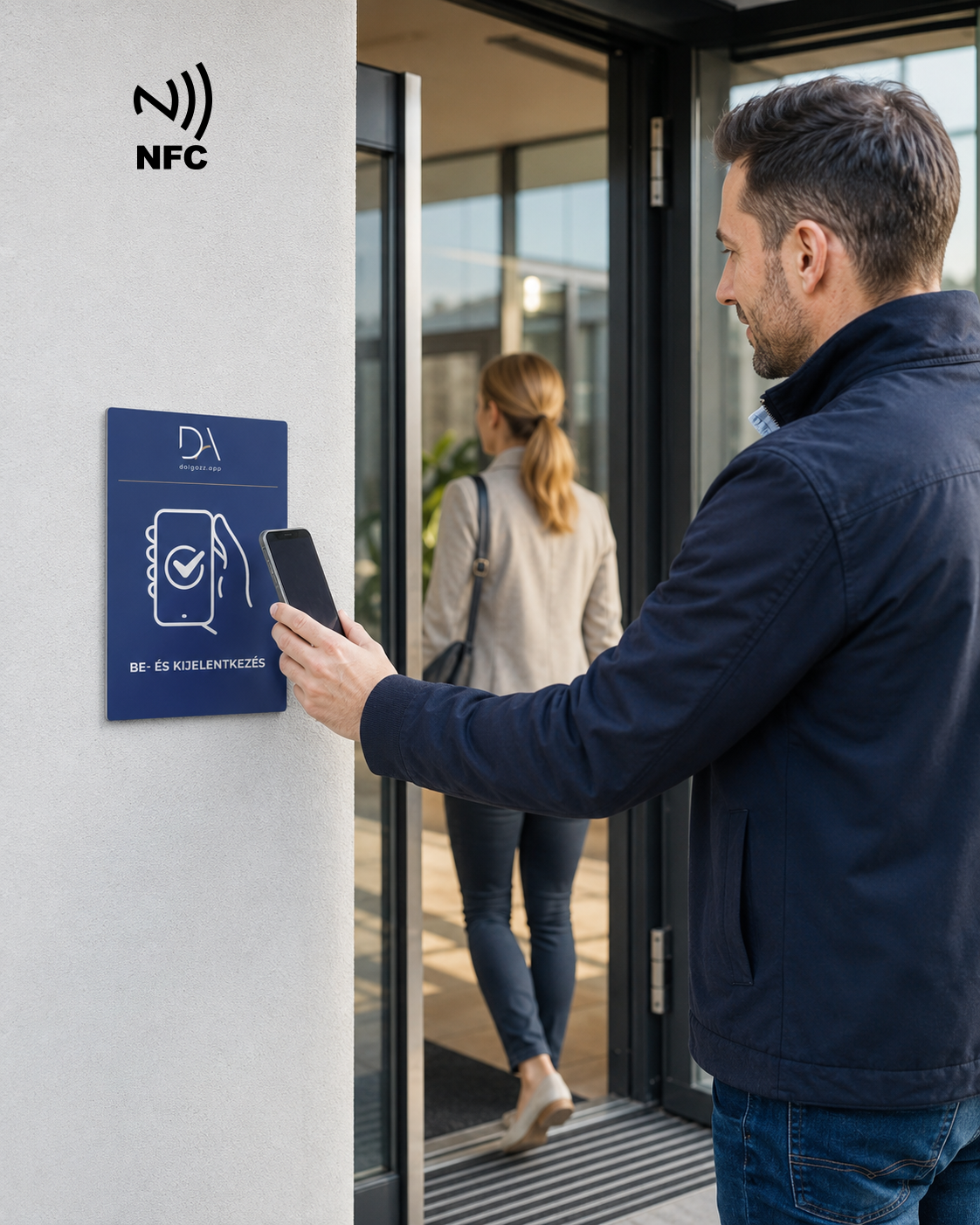
At a QR or NFC point, the walkthrough is linked to this. It not only shows someone was there but also what was checked.
Control Isn't Suspicion
The checklist isn't about not trusting the team. It's about ensuring the client, insurer, or next shift doesn't have to guess. There are fewer errors because missed points are immediately visible. There's greater control because performance is traceable.
If the list is prepared on-site, paper becomes unnecessary. The work remains. Disputes decrease.