The issue wasn't the paper. The problem was that more than 20 outlets - in Budapest and Pest County, at premium locations - reported their whereabouts and activities in the same Viber group. Employees, store managers, headquarters: one chat. It seems quick when there are few people. At twenty outlets, it becomes unmanageable.
The owner wanted to see exactly who was working where. The central office was also involved, not just the stores. The request was simple: no presentation theatre, just the essentials. What does the manager gain? How does the shift run? What does the office see? And it should result in a pilot that can be shown to an owner.
Why Viber Isn't Enough
In a group, everything gets mixed up: arrivals, delays, substitutions, "I'm in the store", "I'm going to the toilet", "I'm popping into the warehouse". By evening, no one can piece it together. Not for tomorrow either. The monthly closing is made from messages and memory.
The questions the chat doesn't clearly answer:
- Who is in which store?
- When did they arrive?
- Which shift are they on?
- What are they currently doing?
- Who is missing, who is late?
- Where is a replacement needed?
- What task has been completed?
If the answer to these is a scroll through Viber, the manager receives noise, not data.
The Proposal: A System Behind the Network
We didn't say, "we have an app". We demonstrated that the manager, the headquarters, and the store see the same thing.
The manager doesn't need to constantly monitor the chat. They see who is in which store, who has arrived, who is late, how the shift is progressing, which task is complete, where intervention is needed. Notifications are received for delays, absences, and stalled tasks. If someone drops out, it's visible where a replacement is needed.
The schedule is by store and by person. Weekly, monthly, multiple shifts. The employee sees their own. The manager sees the staffing shortage. Changes are traceable, not a deleted message.
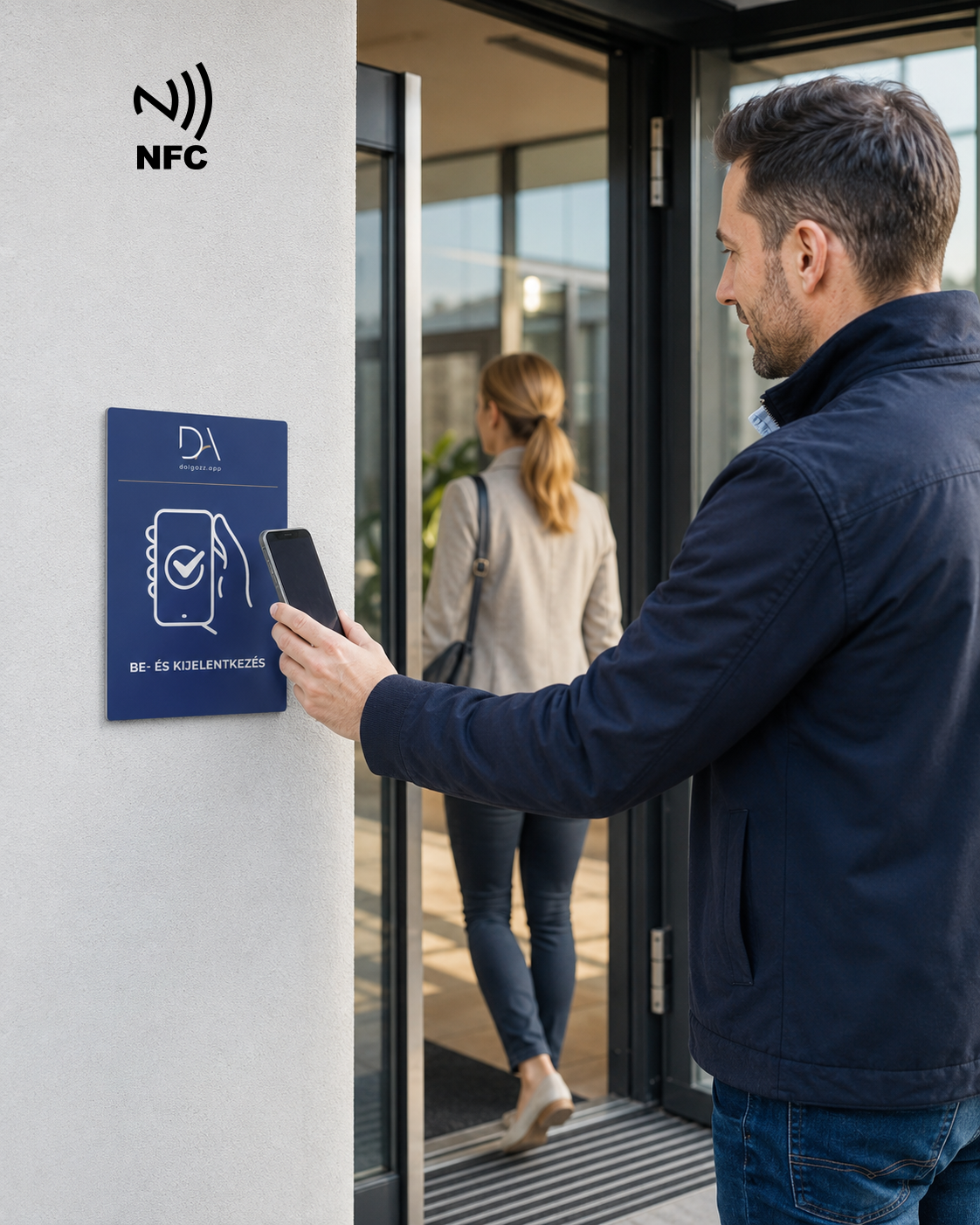
Entry is adapted to the location: NFC, PIN-shared tablet, QR, GPS, or GPS-free iBeacon. The key: the owner should not check messages but receive ready, traceable data.
And it's not just visible who is inside. Opening-closing list, cleaning, fridge, shelf, store manager checks, photos. Responsible person, deadline, notes. The trace of work done in the store remains.
The headquarters is in the same system: people, permissions, stores, documents, reports. The store manager sees their own store, the regional manager sees more, the owner sees the network.
A Morning Without Chat
At seven, employees log into the store. Five minutes later, the manager sees who has arrived, who is missing. Ten minutes later, the opening checklist is out. By eight, photos and completed points are reviewable. During the day, errors can be recorded, not entered into the group. By the end of the day, the work time and task summary is ready.
No summary from Viber. No guessing. No lost info.
Pilot: Start with One Store
The entire network doesn't need to be switched over on the first day. In a selected store: entry, shift, daily checklist, manager view, report. The goal is not another admin system, but to show how much coordination and manual checking is eliminated.
If the same rule applies in one store, it doesn't need to be figured out in the second. The hard part isn't the software. It's ensuring every location uses the same system. Once that's achieved, monthly closing takes hours instead of days.
The owner doesn't need extra control. They need a picture that doesn't come from the chat.